Stop letting a generic bathroom scale dictate your health narrative. Research comparing consumer smart scales with clinical methods such as DEXA has found that more than half of people receive body-fat readings that differ by more than 10% from DEXA measurements (Bosy-Westphal et al., 2008). Relying on these devices often leads to stagnation and unnecessary anxiety. You deserve better than guesswork. A professional DEXA scan in our CQC-regulated clinic near Farnham provides the clinical precision needed to stop surviving and start thriving. It’s the ultimate tool for high-performers and those navigating the complexities of bone health during menopause who demand absolute clarity.
You’ve likely felt the frustration of training relentlessly only to see your progress stall; or perhaps you’re concerned about the silent loss of bone density as you age. We agree that vague metrics are the enemy of momentum. In this article, you’ll discover how to unlock a precise map of your muscle distribution and skeletal strength to transform your approach to longevity. We’ll outline exactly how to use this data-driven insight to adjust your nutrition and exercise, ensuring every move you make is backed by medical-grade science.
Key Takeaways
-
Move beyond the guesswork of the scales and discover how clinical precision can redefine your understanding of physical health.
-
Learn why a DEXA scan is the essential tool for identifying “hidden” metabolic risks that traditional BMI measurements consistently overlook.
-
Gain clarity on your long-term bone health by decoding the metrics that predict fracture risk and support vibrant longevity.
-
Navigate the complexities of midlife transitions by understanding how to manage visceral fat and maintain metabolic momentum.
-
Unlock a personalized, data-driven roadmap to peak performance during a professional consultation at our Farnham-based clinic.
Table of Contents
-
Physiology First: Understanding Bone Density and Body Composition
-
DEXA vs. BMI: Why Traditional Metrics Fail Surrey Athletes and Professionals
What is a DEXA Scan? Defining the Gold Standard in Surrey
Stop guessing about your health. Many people rely on bathroom scales or mirrors to track their progress, but these metrics often misrepresent what is actually happening beneath the surface. Dual-energy X-ray absorptiometry, commonly known as a DEXA scan, provides objective insight into body composition and bone health.
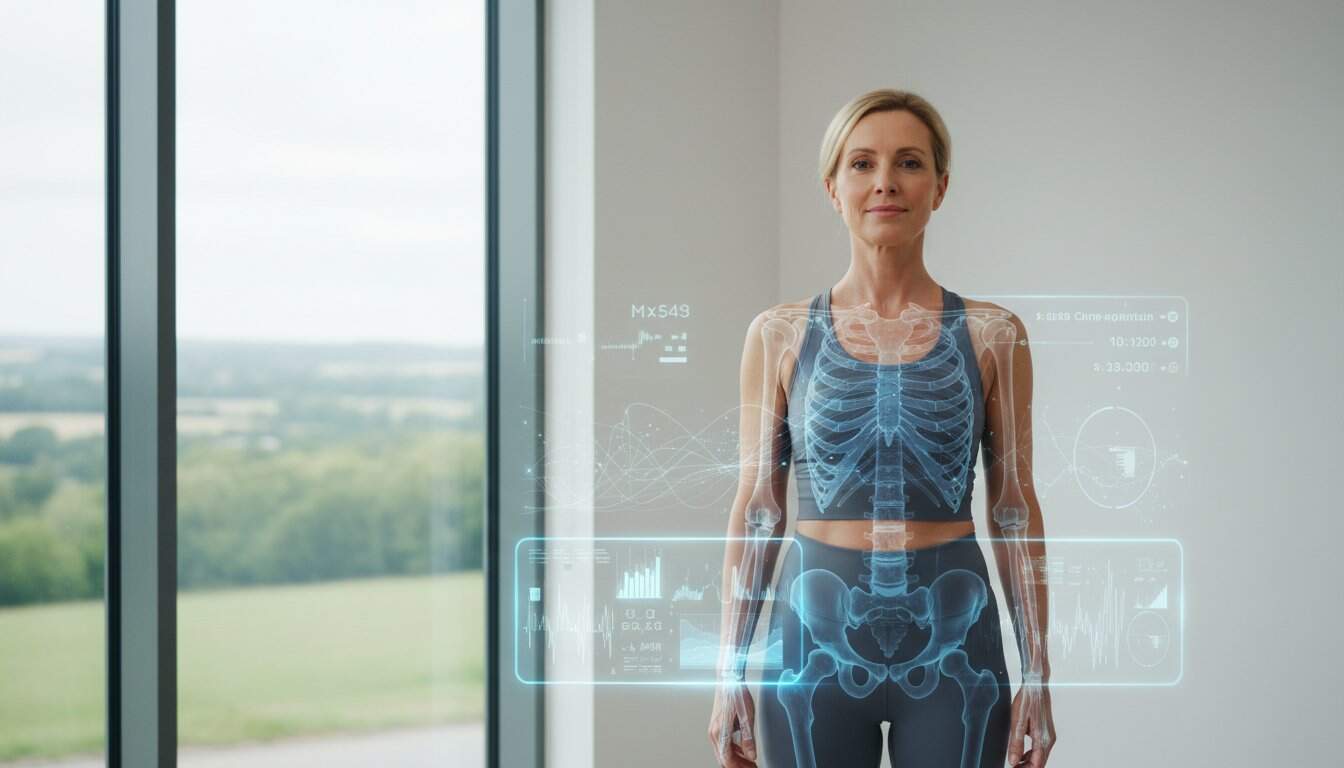
It is widely recognised as the gold standard for body composition and bone mineral density (BMD) testing. By using two distinct low-energy X-ray beams, this technology identifies exactly how much of your weight is bone, lean muscle, or adipose tissue. This physiology-first mechanism eliminates the guesswork that plagues traditional fitness tracking.
Precision drives performance. Different tissues absorb X-rays at varying rates because of differences in density. Bone is highly dense, muscle sits in the middle range, and fat is the least dense. As the scanner passes over your body, it calculates these differences with remarkable precision.
The result is a three-compartment model of your body rather than the simple weight figure you see on a scale. It allows clinicians to see exactly where fat is stored and where muscle is distributed, which is vital for both longevity and physical performance.
Contrast this clinical accuracy with the tools found in many gyms. Bioimpedance (BIA) scales send a small electrical current through the body to estimate body composition. Research by Kyle et al. (2004) demonstrated that BIA measurements can vary significantly because they are influenced by hydration levels, recent meals, and even skin temperature.
A BIA reading may fluctuate by around 5% in a single day depending on hydration status. In contrast, DEXA scanning offers consistent precision of ±1–2% error (Nana et al., 2015). This level of accuracy is why DEXA remains the reference standard in both research and clinical practice.
The i-Thrive Approach to Diagnostic Clarity
Clarity stops the cycle of stagnation. Many individuals work hard but struggle to see meaningful progress because they are measuring the wrong things.
At i-Thrive, we use the Bio-Psycho-Social model to ensure your data informs your entire lifestyle. The biological component begins with diagnostic testing such as DEXA scans. This objective data then influences the psychological dimension—confidence, motivation, and behaviour—and finally the social dimension, which includes environment and lifestyle habits.
Within our Five Categories of Thriving, this diagnostic tool becomes the anchor for lifestyle optimisation:
• Purpose & Lifestyle
• Sleep & Restoration
• Resilience & Psychological Well-Being
• Healthful Nutrition
• Exercise & Movement
DEXA data transforms a vague goal of “getting fitter and healthier” into a clear physiological roadmap for muscle preservation, fat loss, and long-term health.
Physiology First: Understanding Bone Density and Body Composition
A bathroom scale is a blunt instrument that fails to capture the complexity of internal physiology. To achieve true longevity, we must look beneath the surface.
A DEXA scan provides high-resolution insight into tissue distribution, allowing individuals to manage their health with the same precision they apply to other aspects of life.
Bone Mineral Density (BMD) serves as a critical predictor of fracture risk and skeletal health. We use the diagnostic thresholds established by the World Health Organization (WHO, 2004) to benchmark skeletal health.
Your T-score compares your bone density with that of a healthy young adult, while your Z-score reflects how your bone density compares with age-matched peers.
DEXA breaks body composition into three core pillars:
Lean Tissue Mass — the metabolic engine, including muscle and organs
Fat Mass — both visible subcutaneous fat and internal visceral fat
Bone Mass — the structural framework of the body
Tracking these markers over time allows nutrition and training programmes to evolve based on objective physiological data.
The Silent Threat: Visceral Adipose Tissue (VAT)
Visceral adipose tissue (VAT) is fat stored deep within the abdominal cavity surrounding vital organs. Unlike subcutaneous fat beneath the skin, VAT behaves as an active endocrine organ that releases inflammatory cytokines involved in metabolic regulation. Shuster et al. (2012) demonstrated that visceral fat correlates more strongly with insulin resistance and cardiovascular disease risk than total body fat percentage.
Because VAT cannot be assessed visually or through standard scales, imaging techniques such as DEXA provide an important window into hidden metabolic risk. Measuring VAT allows individuals to identify this risk before it progresses into chronic metabolic disease.
Lean Mass and Sarcopenia
Muscle is often described as the body’s primary longevity organ. It is responsible for a large proportion of glucose disposal and plays a central role in metabolic health. Age-related loss of muscle mass and function — known as sarcopenia — can begin as early as the fourth decade of life. Research suggests adults may lose 3–8% of skeletal muscle mass per decade after the age of 40 (Mitchell et al., 2012), with the rate of decline accelerating after 60.
At i-Thrive, we don’t just look at “muscle”. We use DEXA scan technology to quanitfy your appendicular lean mass (ALM), the muscle mass of the arms and legs. This measurement is widely used to identify sarcopenia risk. By tracking lean mass over time, individuals can adjust training and nutrition strategies to preserve metabolic health and physical function.
DEXA vs. BMI: Why Traditional Metrics Fail Surrey Athletes and Professionals
Body Mass Index (BMI) was developed in the nineteenth century as a statistical tool for population-level analysis. It was never designed as a diagnostic tool for individual health. BMI assumes that all weight is metabolically equivalent, treating a kilogram of muscle the same as a kilogram of fat.
This limitation means BMI can misclassify individuals. Many people fall into the category known as normal-weight obesity or “Skinny Fat”, where BMI appears normal but body fat percentage is elevated. Research suggests up to 30% of individuals with a normal BMI may carry excess body fat associated with metabolic dysfunction (De Lorenzo et al., 2006).
DEXA scanning provides the anatomical clarity required to identify these hidden risks by directly measuring body composition.
The Limitations of Bioimpedance (BIA)
Many body-composition scales rely on bioelectrical impedance analysis. These devices send a small electrical current through the body and estimate body composition based on electrical resistance. Because BIA is highly sensitive to hydration, glycogen levels, and recent food intake, results can fluctuate considerably. Moon (2013) demonstrated that BIA may overestimate or underestimate body-fat percentage by as much as 8% compared with reference methods. This variability makes it difficult to track meaningful physiological change.
DEXA scanning uses direct imaging rather than electrical estimation, producing measurements that are far less affected by daily physiological fluctuations.
DEXA for Longevity: Menopause, Metabolic Health, and Aging
Stop viewing midlife as an inevitable decline. It’s a strategic pivot point. For women across Surrey, the transition into perimenopause and menopause marks a significant physiological shift that requires more than just “eating less and moving more.” When estrogen levels drop, the body’s internal blueprint changes. Bone resorption begins to outpace bone formation, often leading to a 20% loss in bone density during the five to seven years surrounding menopause (Riggs, Khosla, Melton, 2002). This isn’t a slow fade; it’s a rapid biological transformation that demands precise data to manage effectively.
A DEXA scan acts as your early warning system. Beyond bone health, the hormonal shift triggers a relocation of fat stores. Subcutaneous fat, which sits harmlessly under the skin, often migrates to become Visceral Adipose Tissue (VAT). This deep abdominal fat wraps around your vital organs and secretes inflammatory cytokines. It’s the primary driver of metabolic dysfunction in aging. By identifying these shifts early, you move from reactive healthcare to proactive healthspan management. We recommend every woman in Surrey secures a baseline scan by age 45 to establish their “gold standard” numbers before the most significant hormonal fluctuations begin.
Menopause and Metabolic Health in Surrey
Insulin sensitivity often fluctuates wildly as progesterone and estrogen decline. This metabolic instability makes traditional weight loss methods feel futile for many women. At our Farnham clinic, i-Thrive coaches use your specific VAT and lean mass data to overhaul your metabolic approach. We don’t guess. We use your DEXA scan results to tailor nutrition plans that prioritise protein leverage and blood glucose stability. This precision is vital for following NICE guidelines regarding osteoporosis screening and HRT. Knowing your exact bone mineral density (BMD) allows you and your GP to make informed decisions about hormone replacement and fracture prevention. Your data provides the evidence needed to advocate for your own longevity.
For some, this data-driven approach is best supported by a comprehensive medical program. Services like foundry offer clinician-led weight loss support that can complement insights gained from diagnostic testing.
-
Precision Nutrition: We adjust macronutrient ratios based on your specific lean tissue mass to protect metabolic rate.
-
Clinical Alignment: Our reports provide the T-scores and Z-scores essential for medical-grade osteoporosis monitoring.
-
VAT Reduction: Targeted exercise interventions designed specifically to torch visceral fat and lower systemic inflammation.
The Longevity Assessment: Integrating Data
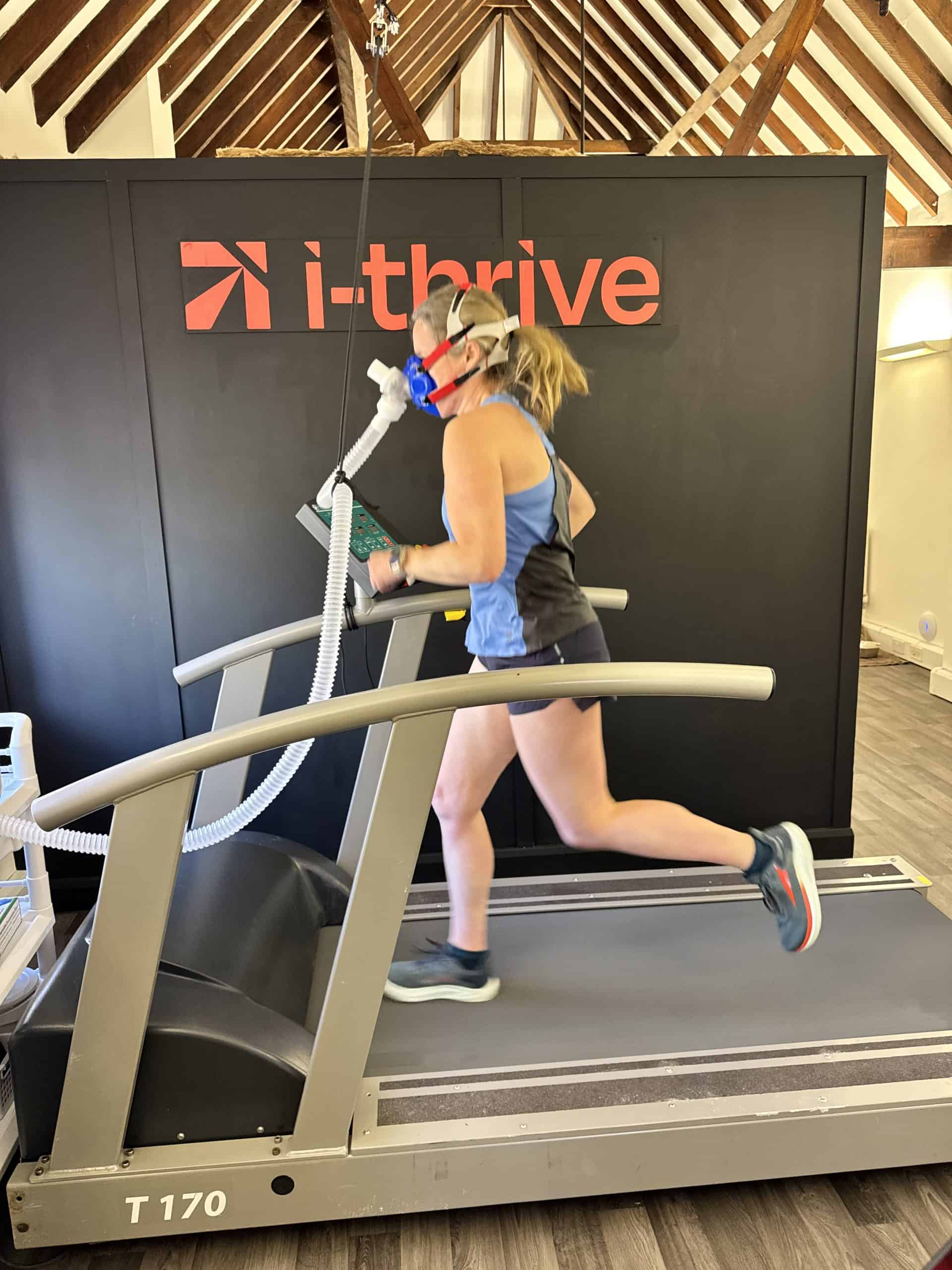
Data gains its true power through integration. We combine your body composition results with VO2 Max testing and clinical blood panels to create a comprehensive Longevity Audit. This isn’t just a collection of charts; it’s a roadmap for your next thirty years. Knowing your numbers provides the psychological “Purpose” required to sustain difficult lifestyle changes. Clarity replaces confusion. When you see the direct correlation between your strength training and your rising bone density, motivation becomes automatic.
Take control of your biological future and book your comprehensive Longevity Assessment at i-Thrive today.
Booking Your DEXA Scan in Farnham: The i-thrive Experience
Step into our Farnham clinic and the atmosphere shifts immediately. We’ve designed a space that bridges the gap between clinical precision and high-end performance coaching. You aren’t just a client here; you’re a partner in a data-driven mission to reclaim your physical edge. Nestled in the Surrey Hills, our facility serves as a central hub for high-achievers from Woking to Guildford seeking more than just a standard health check-up. We provide a professional, approachable environment where your ambitions meet our expertise.
The process is streamlined and efficient. A medical-grade DEXA scan takes minutes. During this window, we capture a granular map of your body composition with precision that home scales simply cannot match. However, the true value lies in what happens after you step off the scanner. We don’t simply hand you a PDF and wish you luck. We sit down for a deep-dive interpretation session to translate bone density, visceral fat levels, and lean muscle mass into a strategic roadmap. We act as your visionary mentor, turning raw numbers into actionable momentum. This isn’t just data; it’s the clarity you need to scale your health alongside your career..
Your Path to Thriving Starts Here
We offer three primary avenues for growth. Our Dexa Scans provide immediate clarity for body composition and bone density. For those committed to long-term vitality, our Metabolic Insights and Longevity Assessments integrate the scans with metabolic testing and blood testing. Even though DEXA scans are the gold standard for body composition and bone density, they only form part of the picture for your Metabolic Health and Longevity. We use your data to unlock hidden potential, ensuring your physical foundation supports your professional ambitions and personal fulfillment.
Stop guessing about your body composition and start measuring with certainty. Our Farnham team is ready to guide you through the noise of generic fitness advice toward a strategy that actually works for your unique physiology. We provide the map; you provide the drive. It’s time to move beyond stagnant routines and embrace a future defined by precision and growth. Book your DEXA Scan or Integrated Assessment at our Farnham Clinic today and take the first step toward a more resilient, high-performing version of yourself.
Safety and Radiation: Addressing the #1 Objection
Safety shouldn’t be a barrier to your progress. A common misconception is that medical imaging involves high levels of radiation. In reality, a single scan emits a tiny dose, typically between 1-4 microsieverts (µSv). To put that in perspective, Public Health England (2011) guidelines suggest this is a negligible amount for the human body. It’s the same amount of background radiation you’d naturally absorb on a short flight from London to Spain. You’d actually consume a similar amount of radiation by eating 40 bananas, which contain naturally occurring radioactive potassium. It’s a non-invasive, quick, and remarkably safe procedure that fits seamlessly into a proactive health regime (Nana et al., 2015).
Frequently Asked Questions
How much does a DEXA scan cost in Surrey?
A single DEXA scan at i-Thrive in Farnham costs £179. We provide value-driven packages for those committed to long-term tracking starting from £225. This investment gives you the precise data needed to stop guessing and start growing. Take control of your health metrics with a transparent pricing structure designed for high performers who value clinical accuracy and professional guidance.
Do I need a GP referral for a DEXA scan at i-thrive?
You don’t need a GP referral to book your DEXA scan at our Surrey clinic. We remove the bureaucratic hurdles that often stall personal progress, giving you direct access to elite-level health insights. Simply select a time that fits your schedule through our online portal. This autonomy allows you to move from uncertainty to a state of informed action without waiting weeks for a doctor’s appointment. However, as a CQC-regulated diagnostic provider, every scan must still undergo a brief clinical justification process to ensure the examination is appropriate and safe for you.
How often should I have a DEXA body composition scan?
Schedule your follow-up scan every 6 to 12 months to accurately track your physiological evolution. This window is ideal for measuring significant shifts, such as a 2kg increase in lean muscle or a 5% reduction in body fat percentage. Regular 180-day intervals provide the momentum required to refine your training and ensure your efforts translate into tangible, sustainable results that align with your long-term performance goals.
Is a DEXA scan better than an MRI for body fat?
The DEXA scan is the preferred tool for body composition because it offers 99% accuracy at a fraction of the cost of an MRI. While an MRI is excellent for identifying soft tissue injuries, a DEXA provides a detailed breakdown of bone, fat, and muscle mass in under 10 minutes. It’s the most efficient way to gain a clear map of your internal health and track progress over time.
Can a DEXA scan detect osteoporosis early?
Yes, this technology detects bone density loss well before it progresses to osteoporosis. By measuring your T-score, the scan identifies osteopenia, which is the warning phase of bone thinning. Catching a 1% to 2% annual decline in bone mineral density early allows you to implement strength training and nutritional changes that protect your skeletal health and long-term mobility before a fracture occurs.
What is the difference between a DEXA bone density scan and a body composition scan?
A bone density scan targets specific areas like the hip to assess medical risk, while a body composition scan maps your entire physique. The composition report breaks down your lean mass and identifies visceral fat, the dangerous fat stored around your organs. Both scans use the same low-dose X-ray technology to provide the clarity you need to optimize your physical performance and longevity.
Is the DEXA scan suitable for people with implants or pacemakers?
You can safely undergo a scan if you have a pacemaker or metal implants. While metal shows up on the imaging, our specialists use software that takes these areas into account, maintaining the precision of your data from scan to scan.
How long does it take to get DEXA scan results in Farnham?
Your entire appointment typically takes around one hour, and you receive your results during that same visit. The scan itself only takes a few minutes, after which we spend time reviewing your report together. During this consultation, we walk through your body composition, bone density, visceral fat levels, and lean muscle distribution, explaining what the numbers mean for your health and performance. By the end of the appointment, you leave with a clear understanding of your results and practical guidance on how to apply those insights to your training, nutrition, and long-term health strategy.
References
Bosy-Westphal, A., et al. (2008). Accuracy of bioelectrical impedance consumer devices for measurement of body composition. Obesity Facts. https://pmc.ncbi.nlm.nih.gov/articles/PMC6452160/
De Lorenzo, A., et al. (2006). Normal weight obese women: An evaluation of a candidate new syndrome. Nutrition, Metabolism and Cardiovascular Diseases.
https://doi.org/10.1016/j.numecd.2005.10.010
Kyle, U. G., et al. (2004). Bioelectrical impedance analysis — review of principles and methods. Clinical Nutrition. https://doi.org/10.1016/j.clnu.2004.06.004
Mitchell, W. K., et al. (2012). Sarcopenia and ageing muscle. Frontiers in Physiology.
https://doi.org/10.3389/fphys.2012.00260
Moon, J. R. (2013). Body composition assessment in athletes. European Journal of Clinical Nutrition. https://doi.org/10.1038/ejcn.2012.165
Nana, A., et al. (2015). Using DXA for body composition assessment. International Journal of Sport Nutrition and Exercise Metabolism. https://doi.org/10.1123/ijsnem.2013-0228
Public Health England. (2011). Ionising radiation: dose comparisons.
https://www.gov.uk/government/publications/ionising-radiation-dose-comparisons
Riggs, B. L., et al. (2002). Sex steroids and skeletal health. Endocrine Reviews.
https://doi.org/10.1210/edrv.23.3.0465
Shuster, A., et al. (2012). Clinical importance of visceral adiposity. British Journal of Radiology.
https://doi.org/10.1259/bjr/38447238
World Health Organization. (2004). Assessment of osteoporosis at the primary health care level.
https://www.fraxplus.org/sites/frax/files/pdf/WHO_Technical_Report.pdf